Source extruded 6061 aluminum square bar for Door & Window, Transportation Tools, Decorations
Find 30 listings for extruded 6061 aluminum square bar with varying temper grades, surface treatments, and dimensions. Buyers can compare specifications from Chinese manufacturers offering customization and standard marine shipping options.
Key considerations
Products List


$2700.00 - $3000.00
Moq: 1


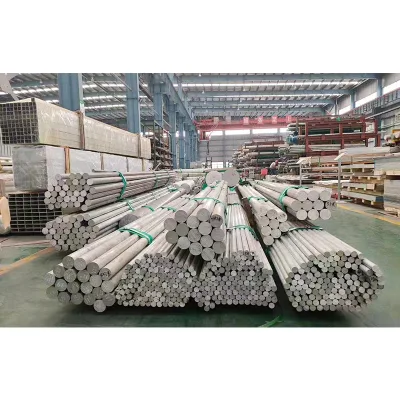


Comprehensive Sourcing Guide
Sourcing Guide for Extruded 6061 Aluminum Square Bar
Understanding Product Specifications and Material Grades
When sourcing extruded 6061 aluminum square bars, the primary objective is to align the physical dimensions and metallurgical properties with specific project requirements. The core material designation, 6061, belongs to the 6000 series of aluminum alloys, which are known for their excellent corrosion resistance and moderate strength. In the current market, buyers will encounter listings that specify the alloy composition as either "Alloy" or explicitly "Non-alloy," though 6061 is inherently an alloy. It is critical to verify that the supplier explicitly confirms the 6000 series classification, as some listings may conflate this with the 5000 or 7000 series, which possess different mechanical characteristics.
The temper of the material is a decisive factor in its performance. For 6061 aluminum, the standard temper range observed in the market spans from T3 to T8. The T6 temper, specifically noted as 6061-T6 in product specifications, is the most common state for structural applications, offering a balance of strength and formability. However, depending on the intended use, other tempers within the T3-T8 spectrum may be required. The shape of the product is strictly defined as "Square" for this specific keyword, distinguishing it from the round or rectangular variants often found in the same supplier catalogs. Dimensions are highly flexible; suppliers typically offer lengths ranging from 1 to 12 meters, or they can be customized to specific requirements such as 2500, 3000, 4000, or 6000 millimeters. The diameter or side dimension of the square bar can vary significantly, with some listings indicating a broad range from 3mm up to 720mm, while others focus on specific outer diameters for tubular equivalents or specific square profiles.
| Attribute | Typical Observation | Verification Requirement |
|---|---|---|
| Alloy Series | 6000 Series | Confirm specific grade (e.g., 6061) in technical data sheet. |
| Temper | T3 - T8 (T6 common) | Verify temper designation matches structural needs. |
| Shape | Square | Ensure cross-section is square, not round or rectangular. |
| Length | 1-12m or Custom | Confirm if cut-to-length or standard stock is available. |
| Surface | Oxidized or Color Coated | Check if surface treatment meets environmental exposure needs. |
Compliance and Certification Verification
Navigating the compliance landscape for aluminum extrusions requires a rigorous check of certifications and production standards. The market data indicates a variety of certification labels, including ASTM, EN, GB, JIS, and ISO. Specifically, buyers should look for references to standards such as ASTM B211, which governs the dimensions and tolerances of aluminum and aluminum-alloy bar, rod, and wire. While some listings mention ASTM B221, this is a background standard for extruded bars and tubes; the primary verification should focus on the specific grade standards like ASTM B209 or B221 depending on the exact product form.
Certification documents are essential for international trade and quality assurance. The most frequently cited certificates include ISO9001 for quality management systems and En 10204/3.1, which provides a specific type of inspection certificate for metallic products. This certificate is particularly valuable as it includes a declaration of compliance with the order and test results. Other certifications observed include RoHS compliance and various national standards like GB and JIS. It is important to note that while some listings mention "ASTMB, EN, GB, ASTM, ISO," these are often grouped generalities. Buyers must request the specific test report or Mill Test Certificate (MTC) that corresponds to the actual batch of material being purchased. The production execution standard is often cited as GBT/EN/ASTM, indicating that the manufacturing process adheres to these international benchmarks.
Cost Drivers and Pricing Structures
The pricing for extruded 6061 aluminum square bars is influenced by several dynamic factors, resulting in a wide observed price range from $2 to $4,800 USD. This variance is not indicative of product quality differences alone but rather reflects the scale of purchase, the specific dimensions, and the complexity of the extrusion profile. The Minimum Order Quantity (MOQ) is a significant cost driver, with observed ranges spanning from 1 unit to 500 units, and specific weight-based MOQs such as 100 Kg. Purchasing in smaller quantities often incurs a higher unit cost due to setup fees for the extrusion dies and handling logistics.
Supply ability is another critical economic factor. Suppliers with a stated capacity of 500 tons per month can often offer more competitive pricing for large-volume orders compared to smaller operations. The payment terms, typically Platform Online Pay or TT Bank (Telegraphic Transfer), also influence the final cost structure, as different payment methods may carry transaction fees or currency exchange implications. Furthermore, the packaging method, ranging from standard marine shipping to wooden pallets, adds to the overall landed cost. Buyers should be aware that the "Standard Marine Packing" is designed to protect the product during long-distance ocean freight, which is the primary mode of transport for these goods originating from China.
Typical Applications and Industry Usage
The versatility of 6061 aluminum square bars makes them suitable for a diverse array of industrial applications. The observed usage data highlights several key sectors, including transportation tools, construction, and decorative industries. In the transportation sector, these bars are utilized for structural components where a high strength-to-weight ratio is required. The construction industry leverages the material for door and window frames, glass walls, and general structural frameworks due to its durability and resistance to corrosion.
Beyond structural uses, the material is frequently employed in heat sink applications, where thermal conductivity is paramount. The extruded shape allows for the creation of fins and channels that maximize surface area for heat dissipation. In the decorative sector, the availability of surface treatments such as color coating and oxidation allows for aesthetic customization. The "Decorations" application often involves architectural elements where the square profile provides a clean, modern look. Additionally, the material is used in general machinery and equipment manufacturing, where the "Extruded" technique ensures consistent cross-sectional properties. Buyers should match the specific application requirements, such as load-bearing capacity or thermal management, with the appropriate temper and surface treatment of the aluminum bar.
Supplier Evaluation and Operational Capabilities
Evaluating a potential supplier for extruded aluminum products requires a holistic view of their operational capabilities and service offerings. The origin of the products is predominantly China, with specific mentions of Suzhou, Jiangsu, as a manufacturing hub. This location is known for its established aluminum processing infrastructure. When assessing suppliers, buyers should verify their "Service Processing" capabilities, which often include welding, cutting, and power coating. These value-added services can significantly reduce the need for secondary processing at the buyer's facility.
The technical process employed is another key evaluation metric. The market data indicates that suppliers utilize Extruded, Forged, and Cold Drawn techniques. For the specific keyword of "extruded" bars, the supplier must demonstrate proficiency in the extrusion process to ensure the square profile meets dimensional tolerances. The production standard is often listed as "As your request," suggesting a high degree of customization. However, buyers must ensure that this flexibility does not compromise adherence to international standards like ASTM or EN.
| Evaluation Criteria | Key Indicator | Action Item |
|---|---|---|
| Origin | China (Suzhou Jiangsu) | Verify logistics and shipping lead times from this region. |
| Processing | Welding, Cutting, Coating | Confirm if these services are included in the quote. |
| Lead Time | 10-15 Working Days | Validate if this timeline is realistic for the order volume. |
| Communication | 8:00 AM to 22:00 PM | Ensure business hours align with your team's availability. |
| Supply Capacity | 500 Tons/Month | Assess if this capacity can meet your annual demand. |
Quality Control and Long-Term Procurement Strategy
Ensuring consistent quality in aluminum extrusions requires a robust quality control (QC) framework. The presence of an En 10204/3.1 certificate is a strong indicator of a supplier's commitment to traceability and quality assurance. This document should accompany every shipment, detailing the chemical composition and mechanical properties of the specific batch. Buyers should also verify the "Production Execution Standard" to ensure it aligns with their internal QC protocols. The observation of "Standard Marine Packing" and "Standard Export Sea Worthy Package" suggests that suppliers are aware of the need to protect the product during transit, which is a critical aspect of maintaining quality upon arrival.
For long-term procurement, establishing a reliable supply chain is essential. The "Customization" attribute being available allows buyers to adapt the product to evolving project needs without changing suppliers. However, the variability in product models, such as 6061, 6063, 6082, and 7075, means that buyers must maintain clear communication to avoid specification errors. The "Online Time" of suppliers, typically from 8:00 AM to 22:00 PM, should be considered when planning communication and order placement. Finally, the "Dimension" being "According to Customer Demand" highlights the importance of providing precise drawings and specifications to the supplier to avoid rework or delays. By focusing on these detailed aspects, buyers can secure a steady supply of high-quality extruded 6061 aluminum square bars that meet their rigorous engineering and operational standards.
FAQs
What certifications are available for extruded 6061 aluminum square bars?
Suppliers offer certifications including ASTM, EN, GB, JIS, and ISO. Specific grades like 6000, 5000, and 7000 series are supported with En 10204/3.1 inspection certificates for quality assurance.
Which temper ranges apply to 6061 aluminum square bars?
The standard temper range spans from T3 to T8. The 6061-T6 temper is commonly used for structural applications, providing a balance of strength and formability for various industrial needs.
Can I customize the dimensions of extruded 6061 aluminum square bars?
Yes, customization is available for dimensions and lengths. Suppliers offer lengths from 1 to 12 meters or specific requirements like 2500, 3000, 4000, and 6000 millimeters based on customer demand.
What surface treatments are offered for these aluminum bars?
Surface treatments include oxidized finishes and color coating. Additional service processing options like welding, cutting, and power coating are available to meet specific project requirements.
How long is the delivery time for extruded 6061 aluminum square bars?
Delivery typically occurs within 10 to 15 working days. This timeline applies to standard orders, though complex customizations may require coordination with the supplier's production schedule.
What is the minimum order quantity for extruded 6061 aluminum square bars?
The minimum order quantity ranges from 1 unit to 500 units. Some listings specify a weight-based MOQ of 100 Kg, depending on the supplier and specific product configuration.
Where are extruded 6061 aluminum square bars manufactured?
Products originate from China, with specific manufacturing hubs in Suzhou, Jiangsu. Suppliers typically use standard marine shipping or wooden pallets for secure export packaging.